
Ksenija and I’s joint participation in the North Cape 4000 adventure in 2024 wasn’t my first time completing this marathon. In 2021, I did it solo. That year, another Croatian cyclist also finished the event successfully – the most well-known ultra-marathon cyclist from Međimurje, Roberto Setnik from Donji Hrašćan. We rode together on the first day, and afterward, each of us found our own rhythm.
At that time, the official route to the far north of Norway started from Italy and passed through Slovenia, then went through Hungary, Slovakia, Poland, the Baltic states, and Finland. A year later, while working on one of my long-distance cycling projects that followed parts of that route, I realized how intentionally the NorthCape4000 organizers directed us onto less-traveled roads, keeping us as far away as possible from heavy motor traffic. There were cycle paths, mainly through Slovenia and Hungary, but they were much fewer than they are today.
For our 2024 trip, Ksenija created a detailed travel plan that made our daily routine much smoother. We will share more about it in one of the upcoming chapters.
Right after starting in Rovereto, we joined a cycle path along the Adige River and rode on it almost nonstop for the first 90 km (!). We then continued for another 50 km (!) on a cycle path following the Alpine river Isarco/Eisack, all the way to the Italian town of Bressanone/Brixen.
Do I even need to mention that we enjoyed the safety of dedicated cycle paths all the way to the Brenner Pass, the border between Italy and Austria? Overall, during the first 200 km, we spent almost no time riding on regular road lanes.
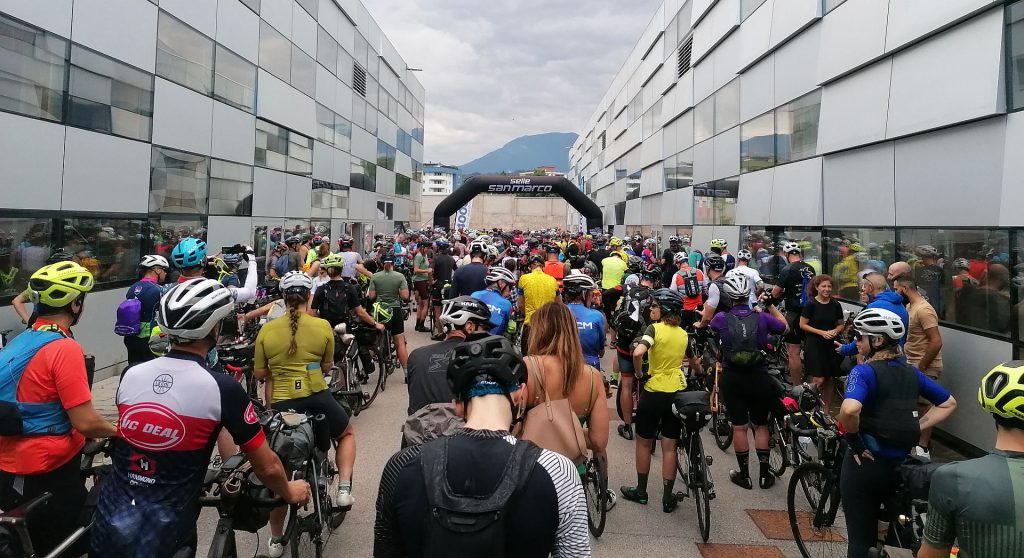
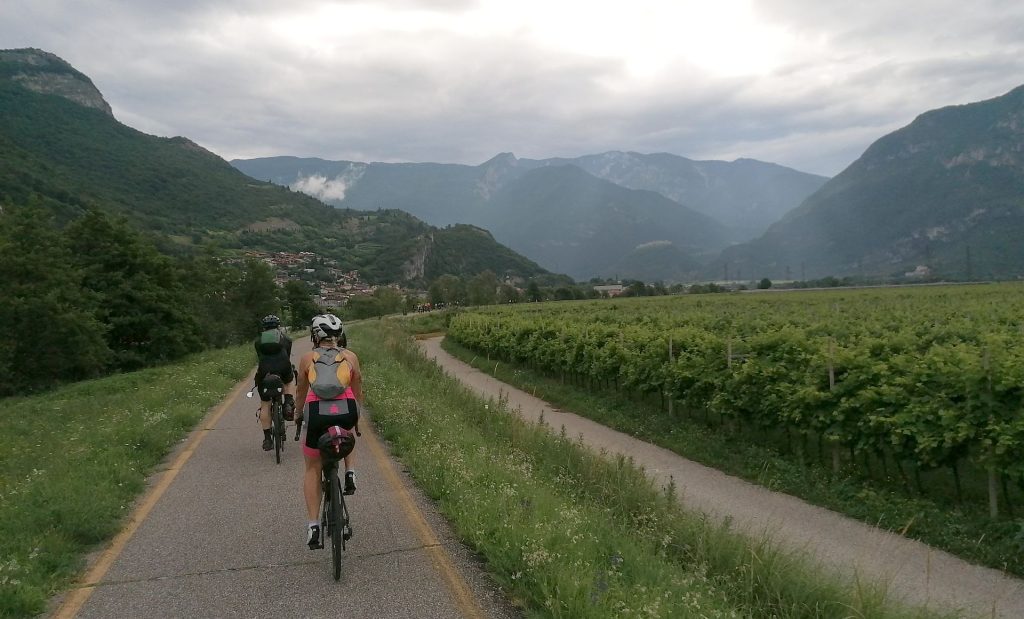
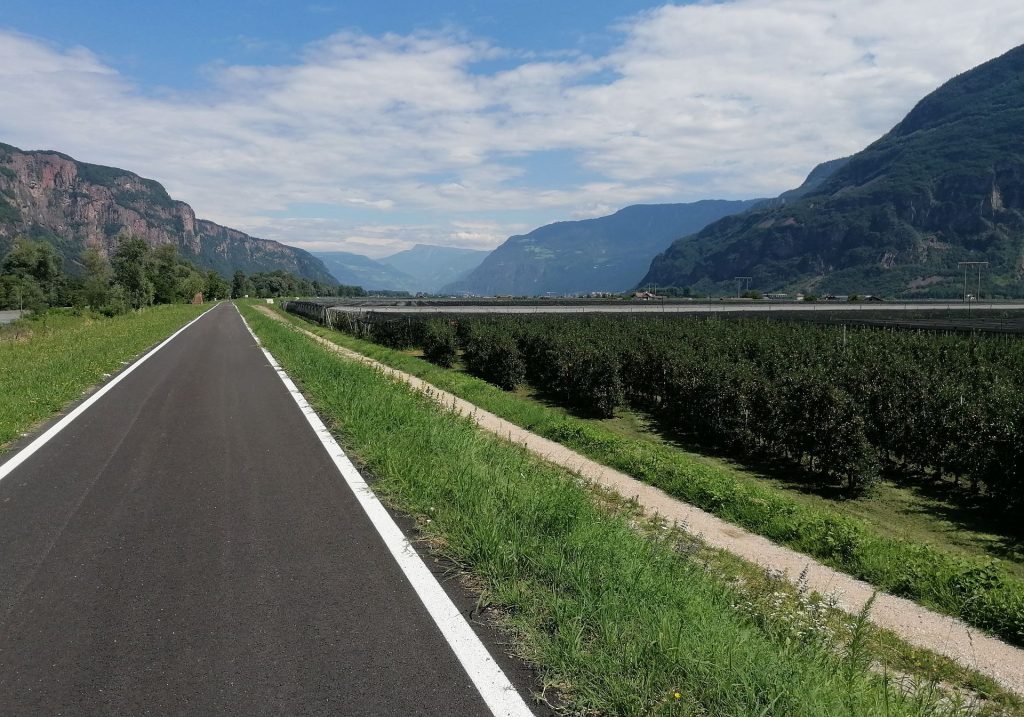
Yes, you can’t help but scratch your head when you realize how much other EU countries have invested in cycling infrastructure and the health of their citizens, providing real alternatives to car use and a chance to help protect the environment through different ways of traveling.
We arrived in Innsbruck at dusk, and after a quick fast-food dinner, we kept riding.
Cycling through Innsbruck and along the Inn River valley on bike paths was smooth. We had to take a small, necessary detour after the organizers told us one road was closed for construction and guided us onto an alternative route. This was one of only two route changes during the entire trip. These detours resulted from roadworks and actually showed how much time and effort the organizers had put into planning the route and avoiding confusion from unexpected changes.
We left the Inn River not far from the Austrian town of Telfs, climbing steeply into the Alps via the Möserer and Buchener Landersstraße. Ksenija had had enough for the day – the climb didn’t suit her – so shortly after reaching the highest point, we found a spot in the forest and crawled into our bivy bags and sleeping bags.
The sleep was restless. The ground was uneven with branches, and the night dew was heavy. The temperature was 9 °C or lower. We stayed in that uncomfortable position for about three and a half hours, then packed up at first light and continued riding.
This was the only night of our entire trip to Nordkapp that we spent partly under the open sky, and one of just two nights we spent on the road.
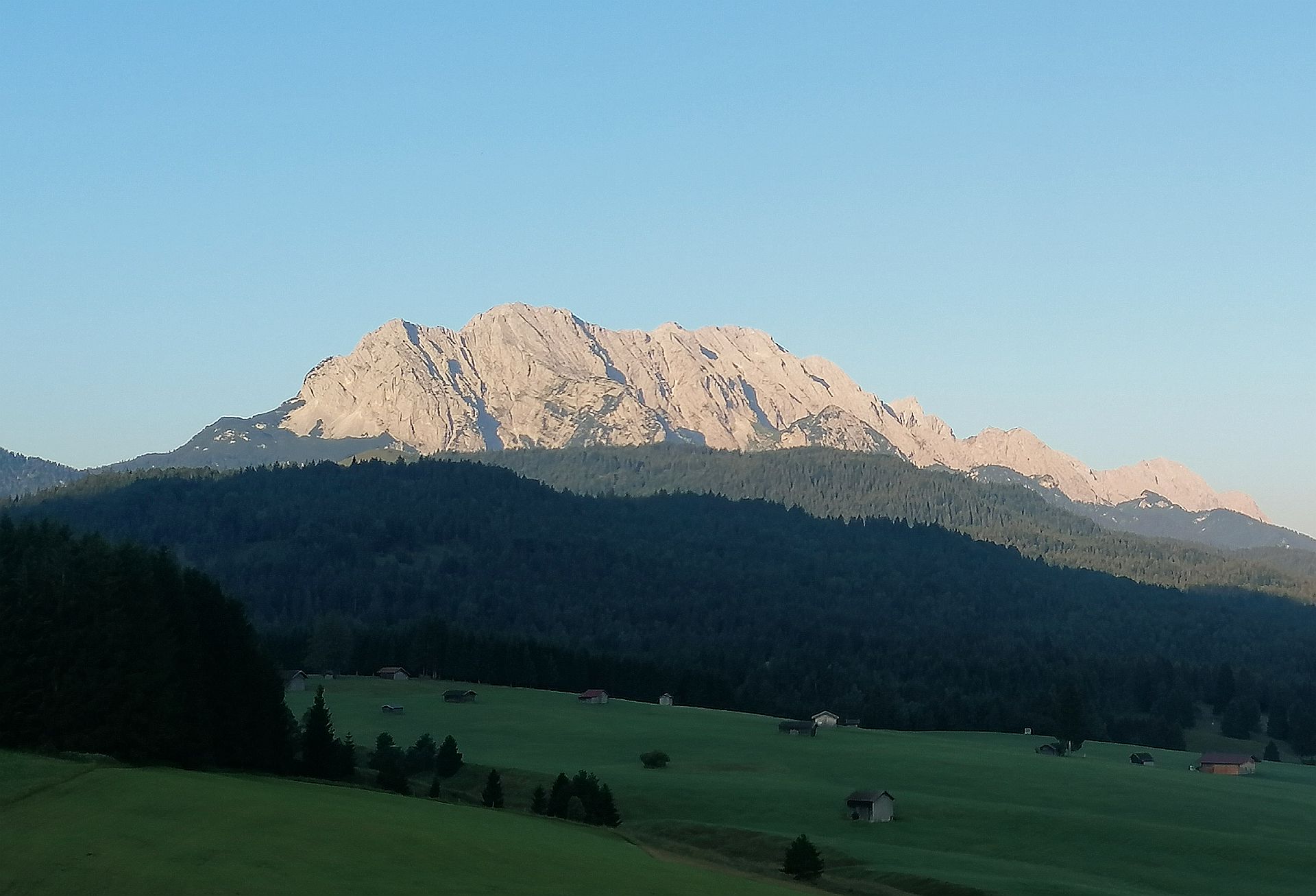
At dawn, we enjoyed the sunlit Alpine peaks behind us as we rode our bikes through the Isar River valley toward our first checkpoint (Gate 1) in Munich. There were still 110 km remaining. It was Sunday, when shops in Germany are closed, and the selection of cafés or restaurants in the half-empty Alpine valleys was limited.
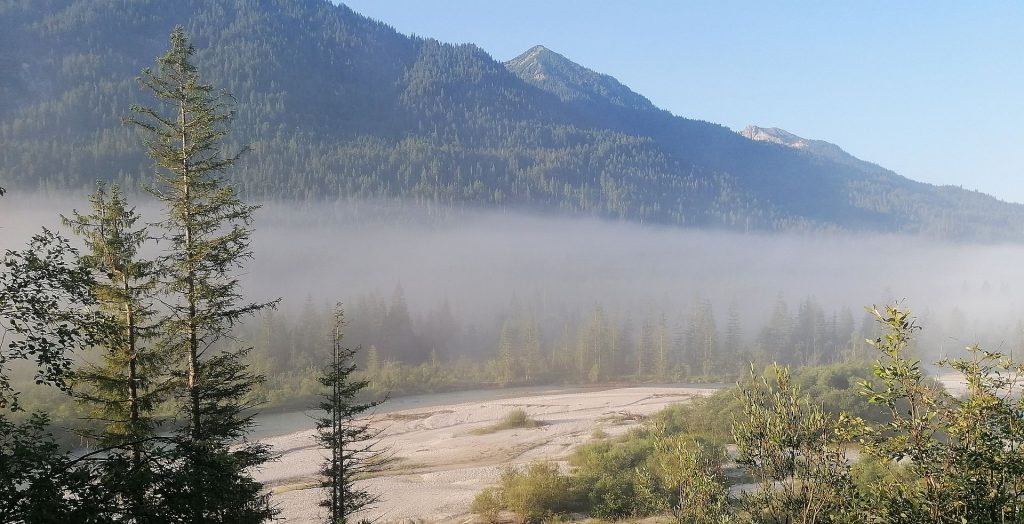
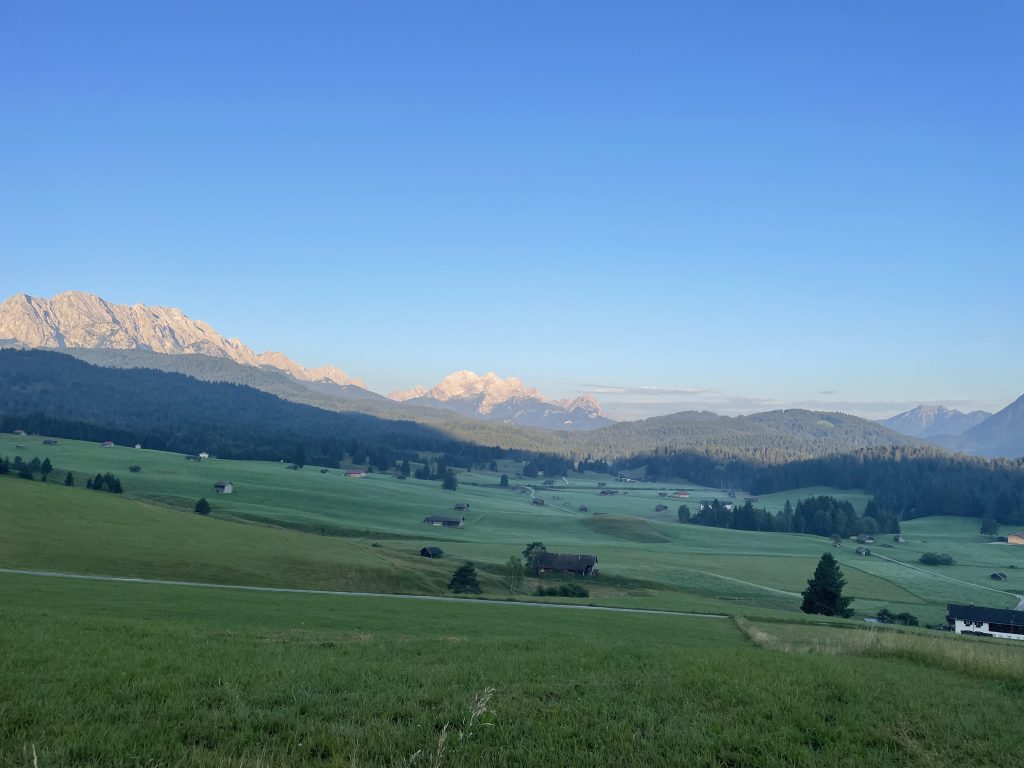
So we searched for a hotel where we could pay for breakfast. At the first one we found, breakfast hadn’t started yet. At the second one, Outdoorhotel Jäger von Fall, I hit the jackpot. The buffet offered as many fried eggs, salmon, and cheeses as I could eat, and as much coffee and fruit juice as I could drink.
On the way to Munich, I was surprised by the large number of people relaxing on the beaches and swimming spots along the Isar River on a hot Sunday morning. Many arrived by bike from neighborhoods closer to the city center. We met several families with small children, each riding their own bike. Five-year-olds stayed on the right side of the path, easing my worries that one of them might end up under our wheels. Traffic culture is learned from a very young age.
After completing the formalities at the checkpoint on Munich’s Marienplatz and enjoying a quick but excellent lunch in the shade—while temperatures in the sun exceeded 36 °C—we continued north. We were still riding along the Isar River, only now without towering mountains around us. Soon, city streets and cycle paths gave way to local roads gently rolling from one hill to the next. The work of farmers was clearly visible as we passed hop plantations, apple and pear orchards, fields of barley and corn, and occasional vineyards.
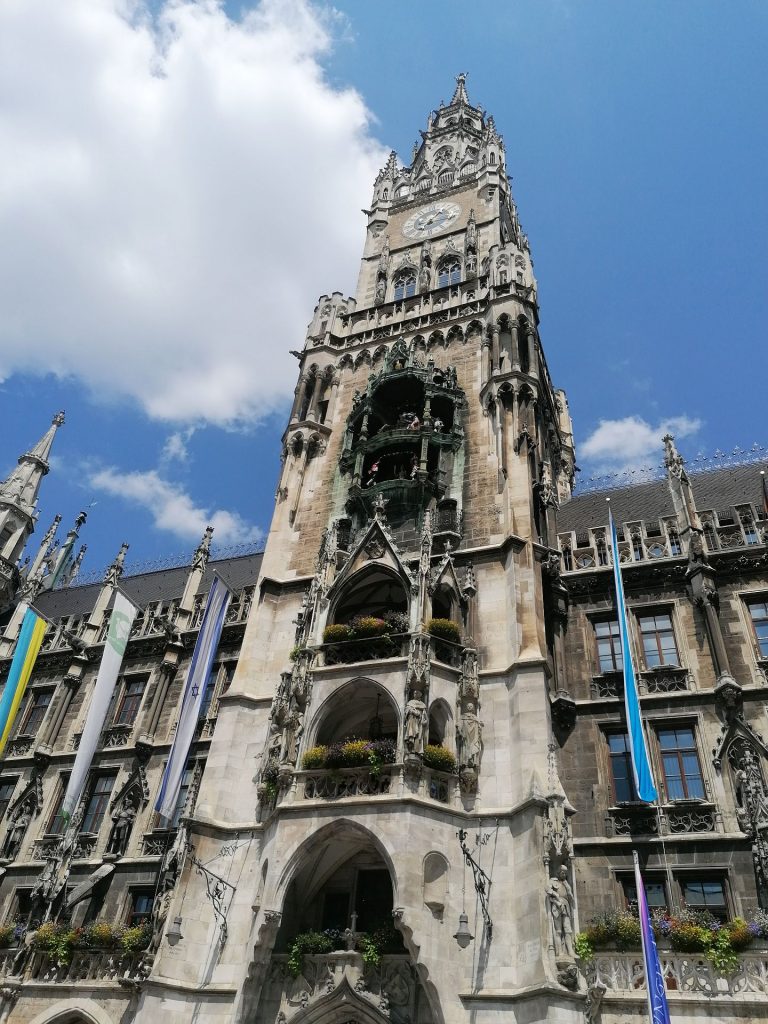
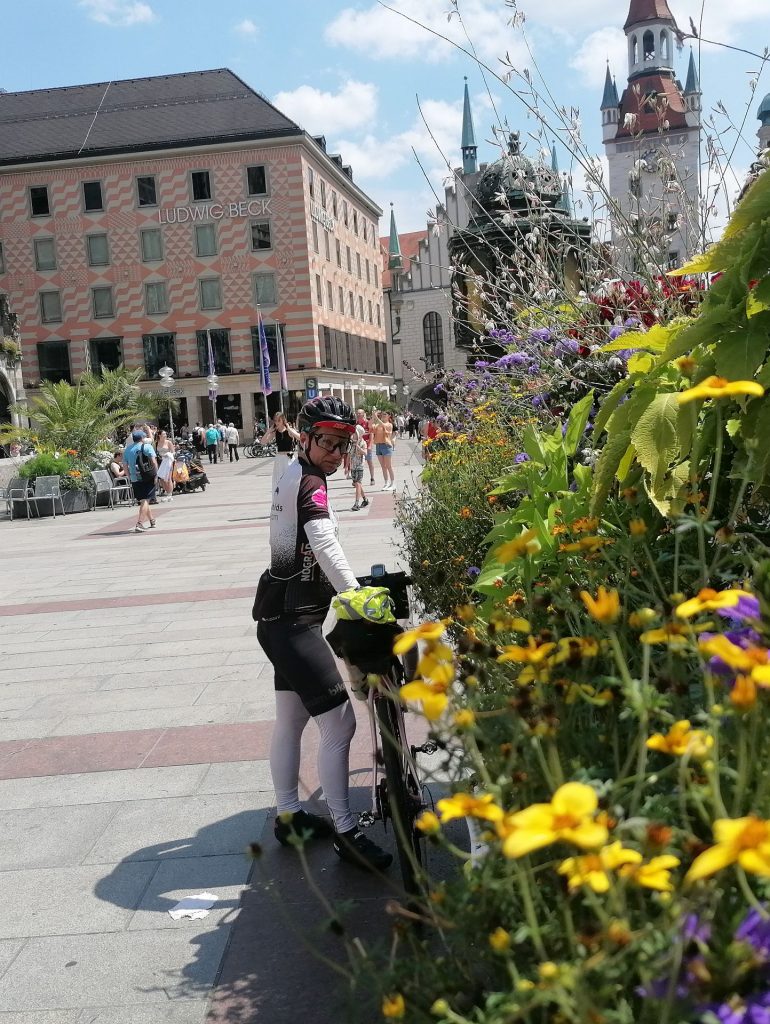
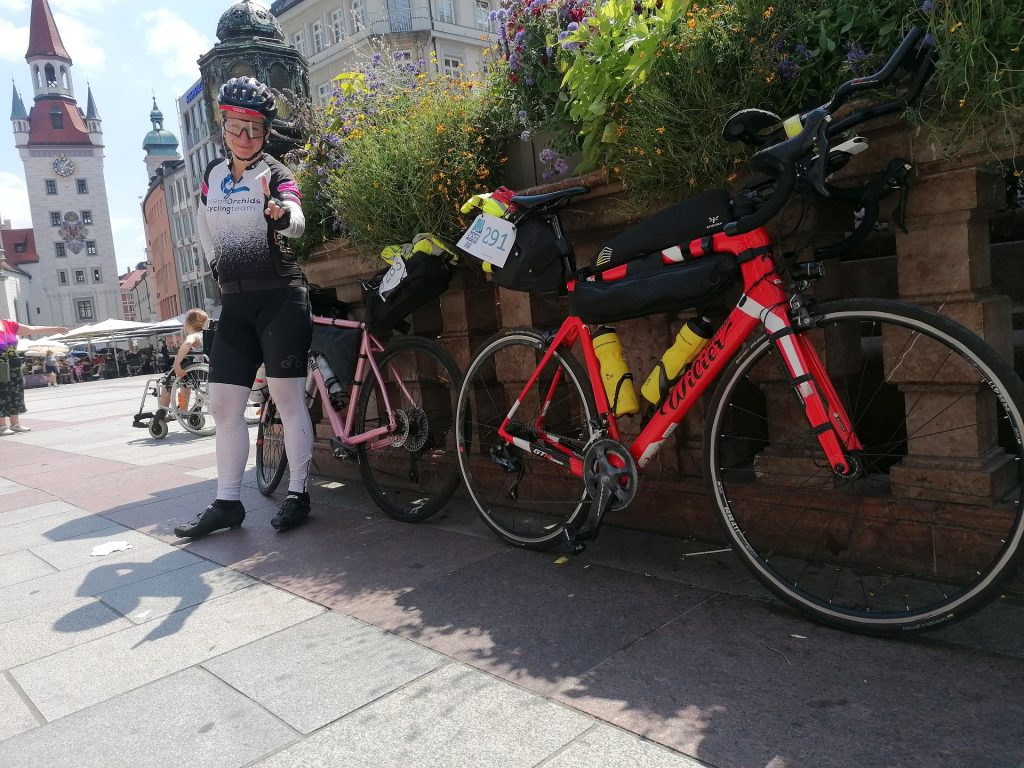
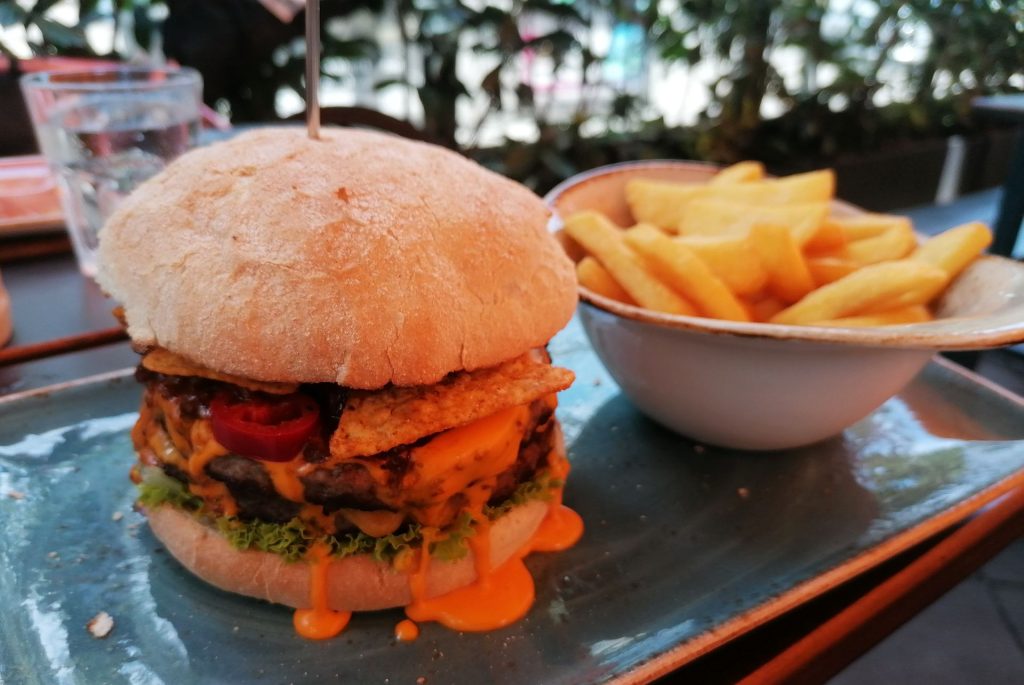
Before leaving Munich, we booked a room at a hotel in the small town of Abensberg. We arrived just before 8 p.m. and enjoyed a proper dinner before heading to bed. Several other participants of the cycling adventure also arrived at the hotel, riding at a similar pace to ours – people we would often share the road with and get to know better over the next few days and weeks.
After dinner, we returned to our room, prepared everything for the next day, and went to sleep. The plan was working. We had traveled over 500 km in the first two days without becoming seriously tired. Chronic fatigue would only hit later in Sweden, and it would be more of a mental challenge than a physical one.
Next, leaving Bavaria and arriving in the Karlovy Vary Region, Czechia.
Cheers!
Siniša

Ride Međimurje takes you on short recreational rides along the Mura River and through the vineyard hills of Upper Međimurje. Of course, once we dig ourselves out of the snow 😉